“When should we come?” is usually the second message we get, right after “how much is it?”. The quick answer is the dry season, April to October. The useful answer is a bit longer, because the best time for ATV tours in Cusco depends on which route you want, how much you mind crowds, and whether your dates are fixed. This guide goes month by month and route by route, so you can see what you’re trading if your trip falls outside the “perfect” window.
Table of Contents
Cusco has two seasons, not four
Cusco is close enough to the equator that temperatures barely change across the year. What changes is the rain, and that split shapes the best time for ATV tours in Cusco more than anything else. Daytime is mild in every month; the real swings happen between a cold dawn and a warm noon.
- Dry season, April to October: clear mornings, very little rain, cold nights, dusty trails. June to August is the busiest stretch of the year.
- Rainy season, November to March: mornings are often clear, showers usually arrive in the afternoon, the countryside turns green, low trails get muddy, and snow or hail is possible at Rainbow Mountain’s altitude.
For day-to-day forecasts, Peru’s national weather service, SENAMHI, publishes them for the Cusco region.
The best time for ATV tours in Cusco, month by month
April: the season turns
The rains are ending and the hills are still green from the wet months. Crowds haven’t arrived yet. You may get the odd shower early in the month, but most days are dry. A very good month for every route, Rainbow Mountain included.
May: green and dry at the same time
Our favourite month for most travellers. The dry season has settled in, the fields are still green, and high season hasn’t started. Book Rainbow Mountain now if you want clear skies without the July crowds.
June: clear skies and Inti Raymi
Reliably dry. On 24 June, Cusco celebrates Inti Raymi, the Inca festival of the sun, and the city fills up around that date. Corpus Christi usually falls in June too. Book your tours a few weeks ahead if you’re travelling around the festivals.
July and August: peak season, coldest mornings
The driest, most stable weather of the year, and the busiest. Rainbow Mountain sees its biggest crowds, and early mornings are the coldest of the year, often below freezing before sunrise at altitude. Every route runs well; just dress for winter at 5 AM and book early.
September: dry season with fewer people
Still solidly dry, with noticeably fewer visitors than July and August. If someone asks us for one month to recommend, it’s often this one.
October: the last dry month
Usually still dry, with the first showers sometimes showing up late in the month. Crowds keep thinning. A good choice for any route.
November: the rains begin
Afternoon showers become regular, but mornings are often clear, and our tours start early. Pickup is between 5 and 6 AM, so most of the riding happens before the weather changes. The lower routes handle this month comfortably; Rainbow Mountain becomes more weather-dependent.
December and January: green season
Regular rain, very green landscapes, and a real chance of snow or hail at the Rainbow Mountain viewpoint. Maras Moray, Huaypo Lagoon and Morada de los Dioses stay very doable. If Rainbow Mountain matters to you, leave a spare day in your plans.
February: the wettest month
The rainiest month of the year. The classic Inca Trail closes for maintenance in February, which is worth knowing if it’s part of your trip. ATV tours still run, but trails are muddy and Rainbow Mountain is the route most likely to be rescheduled for weather.
March: rains easing
Still rainy, but usually better than February, and drier towards the end of the month. A fair low-season option if your dates are fixed; pack a rain jacket and keep expectations flexible for Rainbow Mountain.
Best time for ATV tours in Cusco, route by route
| Route | Dry season (April–October) | Rainy season (November–March) |
|---|---|---|
| Rainbow Mountain | Best window: clearest views, firm trails | Possible, but weather-dependent; keep a spare day |
| Maras, Moray & Salt Mines | Firm tracks, dust instead of mud | Runs comfortably most of the year |
| Huaypo Lagoon | Clearest reflections on the water | Greener farmland, more cloud |
| Morada de los Dioses | Stable conditions | Still workable; bring a rain layer |
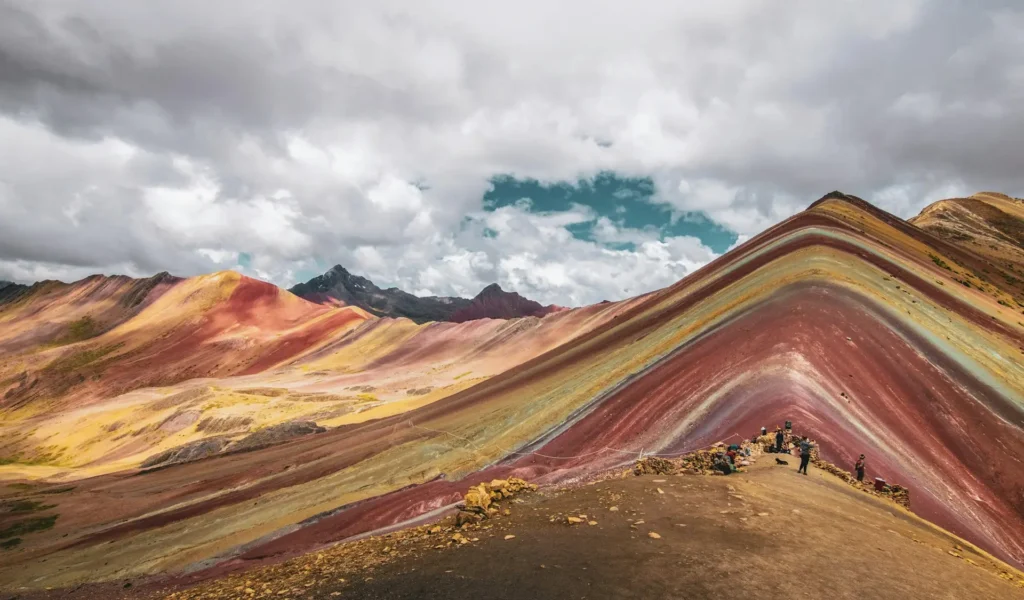
- Rainbow Mountain: the most season-sensitive route. From April to October you have the best chance of seeing the stripes in full colour. In the rainy season, snow and cloud can hide them. Details on the Rainbow Mountain ATV tour.
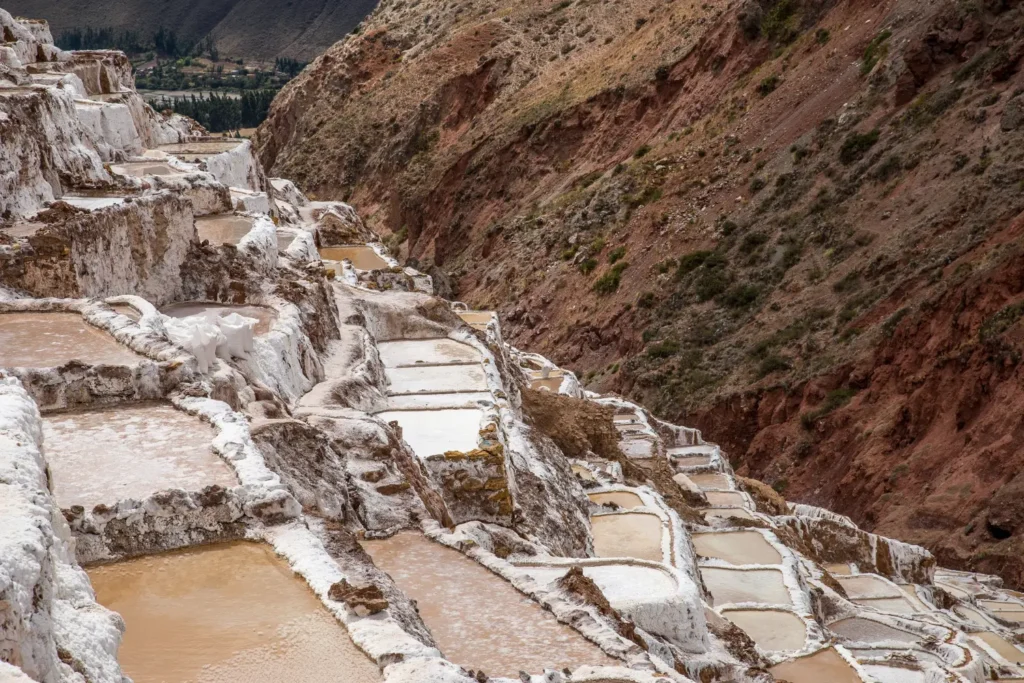
- Maras, Moray & the Salt Mines: runs well all year. In the dry season the salt pools look their brightest; in the rainy season the farmland around Moray is at its greenest. See the Maras, Moray & Salt Mines ATV tour.
- Huaypo Lagoon: dry months give the clearest mountain reflections; wet months give greener fields but a duller lake on cloudy days. More on the Huaypo Lagoon ATV tour.
- Morada de los Dioses: short and close to Cusco, so it works in almost any month. See Morada de los Dioses.
Beyond the weather
Crowds and prices
From June to August every site is busier, especially Rainbow Mountain, and hotels in Cusco charge more. Our shared tour prices are the ones published on each tour page: Maras Moray $38, Huaypo Lagoon $35, Morada de los Dioses about $25 and Rainbow Mountain $80 per person. If quiet trails matter more to you than perfect weather, April, May, September and October give you the best balance.
Festivals
Inti Raymi (24 June) is the biggest event of the year in Cusco and fills the city. Corpus Christi, usually in June, is another big celebration. Both are worth planning around, as long as you book tours and hotels early.
Cold mornings
Even in the “warm” months, dawn is cold. Rainbow Mountain regularly drops below freezing before sunrise, and the half-day routes can be close to it from June to August. Our packing list for an ATV tour in Cusco covers the layers you need for each season.
What we’d recommend
There isn’t one best time for ATV tours in Cusco that suits everyone, so here’s how we’d decide.
If your dates are flexible: April, May, September or October. You get dry-season weather on all four routes without the July crowds.
If you can only come in the rainy season: come anyway. Build your trip around Maras Moray, Huaypo Lagoon and Morada de los Dioses, which run well nearly all year, and treat Rainbow Mountain as a flexible extra. Check the forecast a day or two ahead rather than fixing it to one date.
Whatever the month: give yourself a day or two in Cusco before the higher routes. Our guide to altitude sickness and ATV tours explains why, and how to get to Rainbow Mountain compares your options for that day.
Knowing the best time for ATV tours in Cusco helps, but the order of your routes matters just as much: lower routes first, Rainbow Mountain later.
FAQs about the best time for ATV tours in Cusco
What is the best month for ATV tours in Cusco?
May and September are hard to beat: dry, clear and quieter than July and August. April and October are close behind.
Is it worth coming in the rainy season?
Yes. The lower routes run well, the landscape is greener and there are fewer people. Just keep Rainbow Mountain flexible.
What’s the coldest month?
June and July have the coldest mornings, often below freezing at altitude before sunrise.
When is Rainbow Mountain least crowded?
April, May, September and October, outside the June–August peak.
Does it snow in Cusco?
Not in the city, which sits at 3,399 m. Snow and hail are possible at Rainbow Mountain, especially from November to March.
Do you run tours all year?
Yes. Weather can change plans on Rainbow Mountain in the wettest months; the other routes are rarely affected.
Send us your travel dates on WhatsApp and we’ll tell you which routes fit best and in what order.